
Spray Foam Attic Insulation for Los Angeles Homes
The highest R-value per inch of any residential insulation. Creates an air-tight seal. Available in open-cell and closed-cell formulations. Ideal for cathedral ceilings, conditioned attics, and maximum performance applications.
Spray foam insulation is the premium choice for attic insulation when you need maximum thermal performance, complete air sealing, or insulation in tight spaces where other materials cannot achieve adequate R-values. It costs more than fiberglass or blown-in insulation, but it delivers performance that no other material can match.
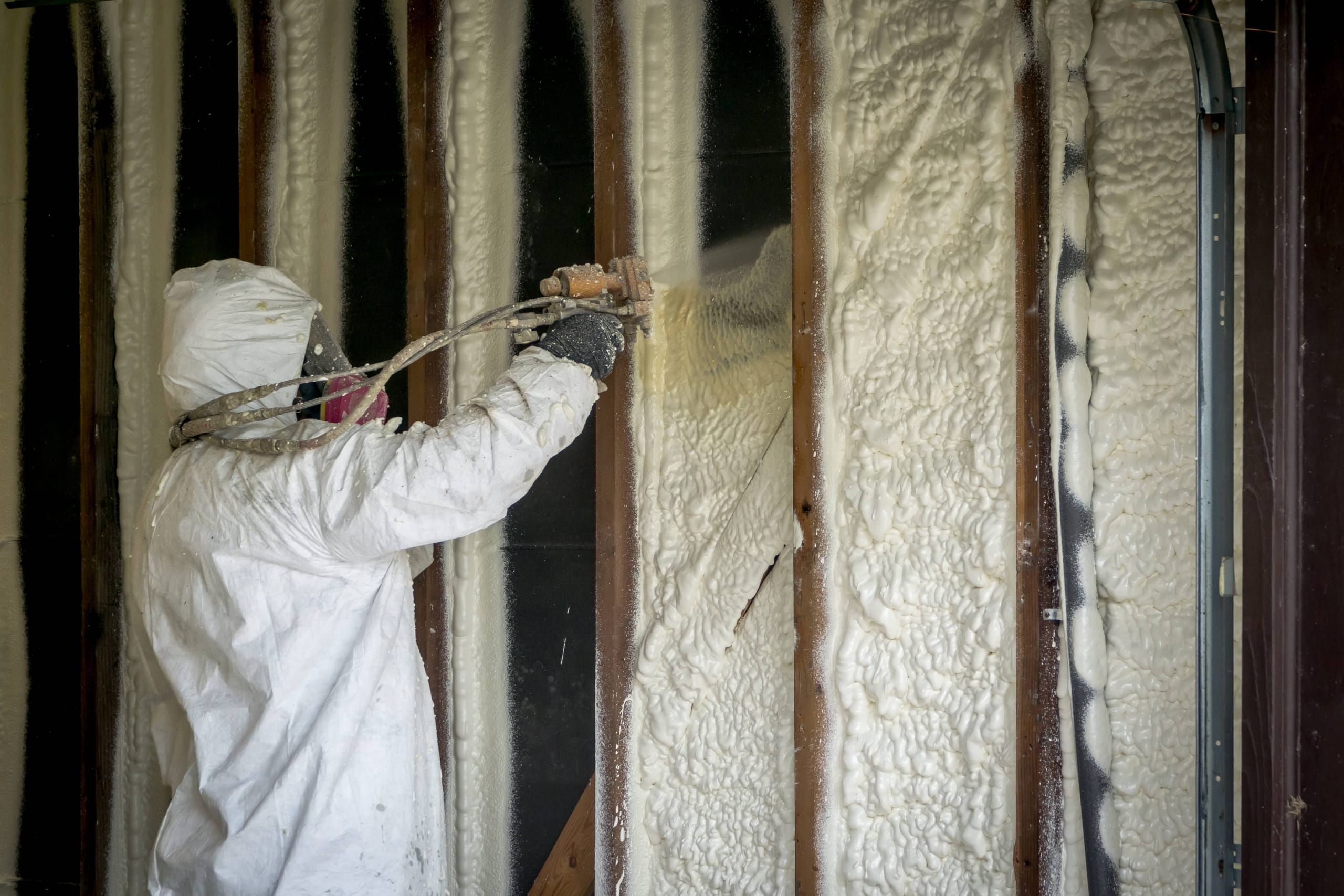
At SoCal Wholesale Roofing, we install both open-cell and closed-cell spray foam insulation using certified equipment and trained applicators. We recommend spray foam for specific applications where its unique properties provide the most value, and we will always tell you honestly when blown-in fiberglass is the more cost-effective choice for your particular attic.
Open-Cell vs. Closed-Cell Spray Foam: Which Is Right for Your Attic?
The two types of spray foam serve different purposes. Here is a detailed comparison:
| Feature | Open-Cell Spray Foam | Closed-Cell Spray Foam |
|---|---|---|
| R-Value per Inch | R-3.5 to R-3.7 | R-6.0 to R-7.0 |
| Density | 0.5 lb/cu ft (soft, spongy) | 1.8–2.0 lb/cu ft (rigid, hard) |
| Air Sealing | Excellent | Excellent |
| Moisture Barrier | No (vapor-permeable) | Yes (Class II vapor retarder at 1.5") |
| Structural Strength | None | Adds racking strength to walls/roof |
| Cost per Sq Ft | $3.00–$5.50 | $4.50–$7.00 |
| Thickness for R-38 | 10–11 inches | 5.5–6.5 inches |
| Sound Absorption | Excellent | Good |
| Best Applications | Interior walls, attic floors, sound control | Roof deck, crawl spaces, maximum performance |
When Is Spray Foam Worth the Extra Cost Over Blown-In Insulation?
Spray foam costs 2–3 times more than blown-in fiberglass or cellulose. It is worth the investment in these specific situations:
Cathedral or Vaulted Ceilings
When there is no attic space above, insulation must go between the rafters. Spray foam achieves R-38 in just 5–6 inches of closed-cell, where blown-in would need 17+ inches of space that does not exist.
Conditioned Attic Spaces
If your HVAC system or ductwork is in the attic, spray foam on the roof deck creates a conditioned attic space that keeps ducts within the building envelope. This can reduce HVAC energy use by 20–30%.
Maximum Air Sealing Required
Spray foam is the only insulation that simultaneously insulates and air-seals. If your home has significant air leakage through the attic (common in older LA homes), the air-sealing benefit alone can justify the cost.
Limited Space Applications
Rim joists, band boards, knee walls, and other tight areas where traditional insulation cannot achieve adequate R-values. Spray foam provides maximum R-value in minimum thickness.
Moisture-Prone Areas
Closed-cell spray foam is a vapor barrier and does not absorb water. It is ideal for areas with moisture concerns, such as above bathrooms, near plumbing, or in homes with a history of attic condensation.
Noise Reduction
Open-cell spray foam is an excellent sound absorber. If road noise, airport noise, or neighbor noise penetrates through your roof, spray foam can significantly reduce sound transmission.
Spray Foam and Fire Safety: What Los Angeles Homeowners Must Know
Spray foam insulation is combustible, which is an important consideration in fire-prone Los Angeles. Here is the complete picture:
The Risk
- Polyurethane spray foam IS combustible and will burn
- Burns with intense heat and produces toxic smoke
- Can contribute to rapid fire spread if not properly protected
- Embers entering through vents can ignite exposed spray foam
The Protection
- All spray foam includes fire retardant chemicals
- Code requires ignition barrier in attic spaces
- Thermal barrier (1/2" drywall) required in occupied spaces
- Fire-rated attic vents prevent ember ignition
- We install all required barriers on every project
How Much Does Spray Foam Attic Insulation Cost in Los Angeles?
| Project | Cost/Sq Ft | 1,500 Sq Ft Attic |
|---|---|---|
| Open-Cell to R-38 (attic floor) | $3.00–$5.50 | $4,500–$8,250 |
| Closed-Cell to R-38 (attic floor) | $4.50–$7.00 | $6,750–$10,500 |
| Closed-Cell on Roof Deck (conditioned attic) | $5.00–$8.00 | $7,500–$12,000 |
| Hybrid: Closed-Cell (2") + Open-Cell (to R-38) | $4.00–$6.00 | $6,000–$9,000 |
*Installed costs including material, labor, fire barriers, and cleanup. Call (818) 937-4500 for a free estimate.
Our Spray Foam Installation Process
Attic Assessment
Inspect attic structure, ventilation, existing insulation, and identify the best spray foam approach (floor vs. roof deck, open-cell vs. closed-cell). Provide detailed quote.
Preparation
Remove existing insulation if needed, clean surfaces, mask off areas not being sprayed, seal HVAC registers, and set up ventilation equipment for safe application.
Surface Preparation
Clean and dry all surfaces to ensure proper adhesion. Spray foam requires clean, dry surfaces for maximum bond strength and performance.
Spray Application
Certified applicators spray foam in multiple passes, building up to the target thickness. Each pass is typically 1–2 inches for proper curing. Temperature and humidity are monitored throughout.
Fire Barrier Installation
Install required ignition barrier or thermal barrier over cured spray foam per California Building Code. This step is non-negotiable for fire safety compliance.
Verification & Cleanup
Measure installed thickness at multiple points, verify R-value, photograph completed work, clean up overspray, and provide documentation and warranty information.
Explore Other Insulation Options
Get a Free Spray Foam Insulation Estimate
Find out if spray foam is the right choice for your attic. Call for a free assessment and honest recommendation.
Frequently Asked Questions About Spray Foam Attic Insulation
Frequently Asked Questions
Spray foam insulation is a two-component liquid polyurethane that is sprayed onto surfaces where it expands and hardens into a solid insulation layer. It provides the highest R-value per inch of any residential insulation material and creates an air-tight seal that eliminates drafts and air leakage. There are two types: open-cell (R-3.5 to R-3.7 per inch) and closed-cell (R-6.0 to R-7.0 per inch).